
Espanyol have appointed Sarabia, but the immediate handover has two stages
Eder Sarabia is Espanyol’s confirmed new head coach, with a contract running to 30 June 2028. The club announced his appointment on 28 October 2026, a day after ending Manolo González’s tenure. However, Sergio García is taking the team into the away match at Villarreal on 30 October. The appointment and the first appearance of the new coach in the dugout are separate events.
That distinction is the most useful answer for supporters trying to understand the change. Espanyol’s official announcement confirms the contract, background and incoming staff. The club’s subsequent Villarreal press-conference report confirms García’s interim role while Sarabia serves a suspension.
It would therefore be misleading to label every choice in the next match as the completed expression of Sarabia’s football. García has his own immediate responsibility, the players are working through a rapid transition, and the longer-term coach has only just been appointed. A change in personnel or passing pattern can be interesting evidence without proving that an entire new system has already arrived.
This guide separates the confirmed change from the questions which remain open. The departure, contract and temporary handover are facts. How the squad will eventually build attacks, organise its pressure and distribute playing time are matters to assess as the coaching work develops. A familiar coaching reputation provides context; it is not a substitute for observing what the new team actually does.
The reporting cutoff is 30 October, before the Villarreal match. Use the daily La Liga schedule for the next fixture and subsequent results, rather than treating this pre-match handover explanation as a permanent statement about who will occupy the bench every week. For Espanyol, the immediate objective is a sporting response; the longer challenge is turning a new appointment into a coherent, repeatable way of playing.
What ended Manolo González’s time in charge
The decision followed a damaging cup elimination within an already difficult league campaign. Espanyol’s official report confirms a 4–3 defeat after extra time at Sestao River on 27 October. The departure announcement followed that evening. Those confirmed events explain the timing without requiring invented accounts of private conversations inside the club.
The cup exit intensified a difficult league start
At the reporting cutoff, the official league table placed Espanyol 18th with eight points from ten games: two wins, two draws and six defeats. They had scored 12 goals and conceded 14. The position, rather than the cup result alone, provides the background to the pressure surrounding the team.
Those figures suggest why a simple attacking-versus-defensive slogan is insufficient. A relatively narrow goal difference does not cancel six defeats, and having scored in games does not guarantee points. The new staff will need to turn passages of competitiveness into completed results. That can involve protecting a lead, recovering from a setback and reducing the costly errors which decide close matches.
A change of coach does not erase the previous work
In its departure statement, Espanyol credited González’s work and recorded 107 official games in charge. The club also acknowledged that he had met its sporting objectives during his two complete top-flight seasons. That history is relevant even though the leadership chose to make a change now.
Supporters do not have to choose between recognising previous achievements and accepting that the current season required a response. A coach’s record contains both. Treating the entire tenure as a failure would remove the context for why he remained in the role; treating the past as a guarantee of future recovery would ignore the current table.
For Sarabia, the useful inheritance includes knowledge already held by players and staff. He does not begin with a blank squad or a new league season. Points already won remain, and the immediate difficulty remains too. The standings and completed results give supporters a clearer baseline than a claim that changing the name on the bench automatically changes the team’s competitive level.
What Sarabia’s career tells us about the appointment
Sarabia’s background is broader than the shorthand description of a former Barcelona assistant. Espanyol’s announcement traces a route through youth coaching at Danok Bat and Villarreal, work alongside Quique Setién at Las Palmas, Betis and Barcelona, and subsequent head-coach positions at Andorra and Elche. The latter jobs are particularly relevant because he held responsibility for the first team himself.
First-team experience matters more than the Barcelona label
Elche’s official departure statement credits Sarabia with promotion and then survival in the top division. It says he chose to end his time there to take a break and attend to personal matters. Describing that departure as a dismissal would misrepresent the club’s account.
For Espanyol, the relevant experience is working through a season in which results, player development and immediate pressure must coexist. Winning promotion and keeping a team in the division are different tasks, with different expectations and margins. Having faced both gives the appointment more context than a famous former employer alone can provide.
It does not mean the same outcome can simply be transferred between clubs. A coach arrives with ideas, but the available players, recovery time and starting position are different. Supporters should be wary of arguments that treat a previous success as a guarantee or a previous difficult period as a permanent limit. The question is how his experience is applied to this squad now.
The incoming staff also matter. Espanyol named Jon López, Jon Moreno, Aitor Unzué and Álvaro González alongside Sarabia. These are coaching appointments, not additions to the playing squad. The group’s contribution will be expressed through preparation, communication and the work between fixtures, rather than through a transfer-window change to the team available for the next match.
That distinction is useful when setting expectations. A coaching change can alter roles and instructions quickly, while deeper habits need repeated practice. It cannot instantly give a squad a different set of physical or technical attributes. The league’s teams directory helps place Espanyol among their opponents; evaluating this appointment requires attention to what the existing players are asked to do and how consistently they can do it.
The tactical questions his Espanyol will need to answer
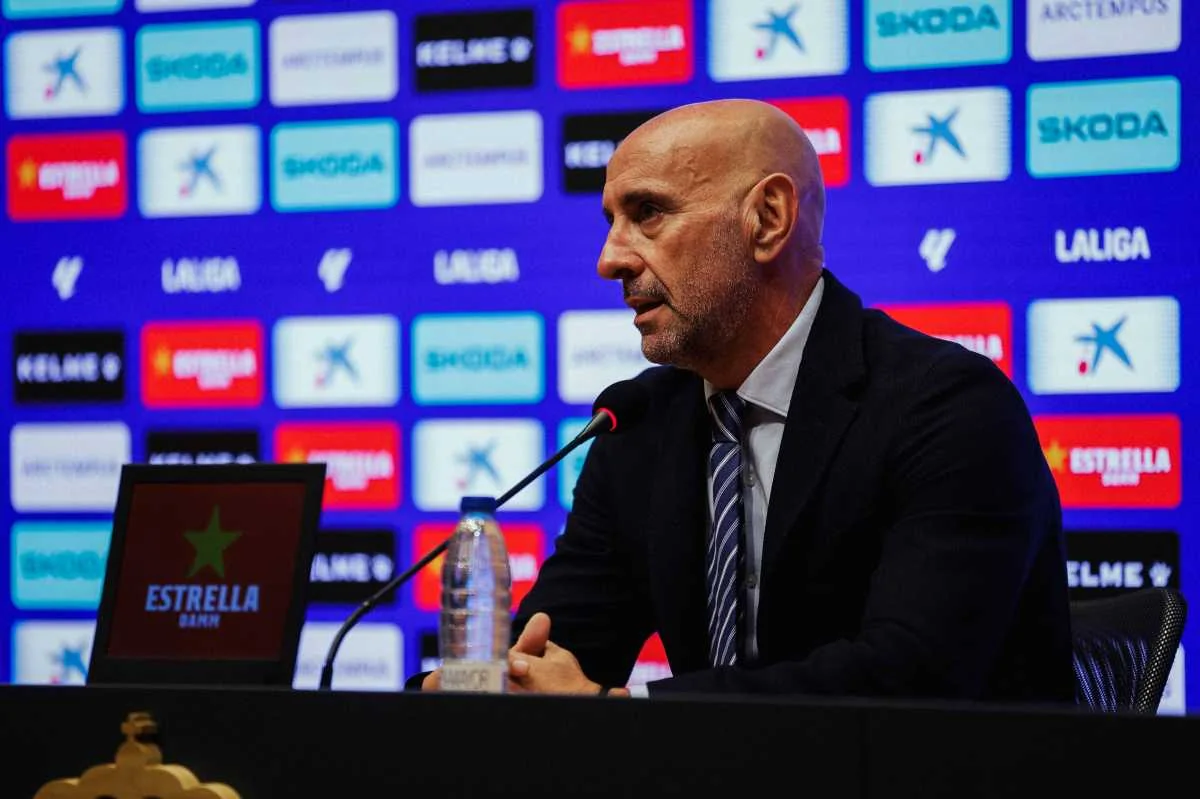
Monchi’s explanation of the appointment sets out two ambitions: improve the immediate results and establish a recognisable team over time. It also expresses confidence that the existing squad can adapt. Those are the club’s expectations, rather than evidence that the adaptation has already happened.
Sarabia’s previous Elche side provides some context. A January 2026 club preview stressed courage on the ball, coordinated pressure and the ability to play out with judgement. That historical description offers a starting point for questions about Espanyol. It should not be copied into a claim about an Espanyol formation or an instruction given in training this week.
Building from the back without making every possession a gamble
If Espanyol place greater emphasis on passing through pressure, the important test will be the options around the ball. Does the goalkeeper have more than one usable outlet? Can a midfielder receive facing a direction which allows the next pass? Is there a sensible longer option when the opponent closes the short route? A short pass is not automatically brave or useful if it leaves the receiver trapped.
Fans can look for whether the team’s choices change with the pressure. Drawing an opponent forward can create space elsewhere, but that only helps if the players can access it. The aim should be purposeful progress, not winning a debate over how many passes occurred near the penalty area.
Keeping attacking ambition connected to defensive cover
The next question concerns players who are not directly involved in an attack. If a full-back advances, who protects the space behind? If a midfielder moves into the box, who remains available for the next turnover? Those relationships matter to a side which has already lost six league games, regardless of the formation printed before kick-off.
An improvement might appear in fewer desperate recovery runs or in an opponent being forced away from the centre after possession changes. These are things to watch, not promises of an immediate defensive transformation. A single clean sheet can be encouraging while still leaving questions about how repeatable the performance was.
Selection should follow roles and evidence
It is too early to declare permanent winners and losers in the squad because a coach with a particular reputation has arrived. A player who appears suited to one role may be needed elsewhere; another may adapt through practice. Supporters should distinguish a projected lineup from the confirmed team, and distinguish a substitution made to solve one match from a lasting hierarchy.
The most informative judgement combines the results with those football questions. A recognisable identity needs to help Espanyol compete, not simply make the side easier to describe. The appointment gives the club a direction to pursue; the players’ decisions and collective spacing will show how much of it is working.
Why Sergio García is leading the Villarreal match
The temporary arrangement is confirmed by the club, rather than a sign that Sarabia’s appointment is still being negotiated. Monchi explained on 29 October that the new coach had two outstanding matches of suspension from his Elche period and was already registered. The Villarreal game would account for the first of those matches, with Sergio García in the technical area instead.
That answers two common questions at once. Sarabia has been appointed, and his absence from the bench does not mean the agreement has failed. Equally, an article announcing his arrival should not promise that supporters will see him directing the next game from the touchline. The official handover information takes priority over an earlier report projecting a different debut.
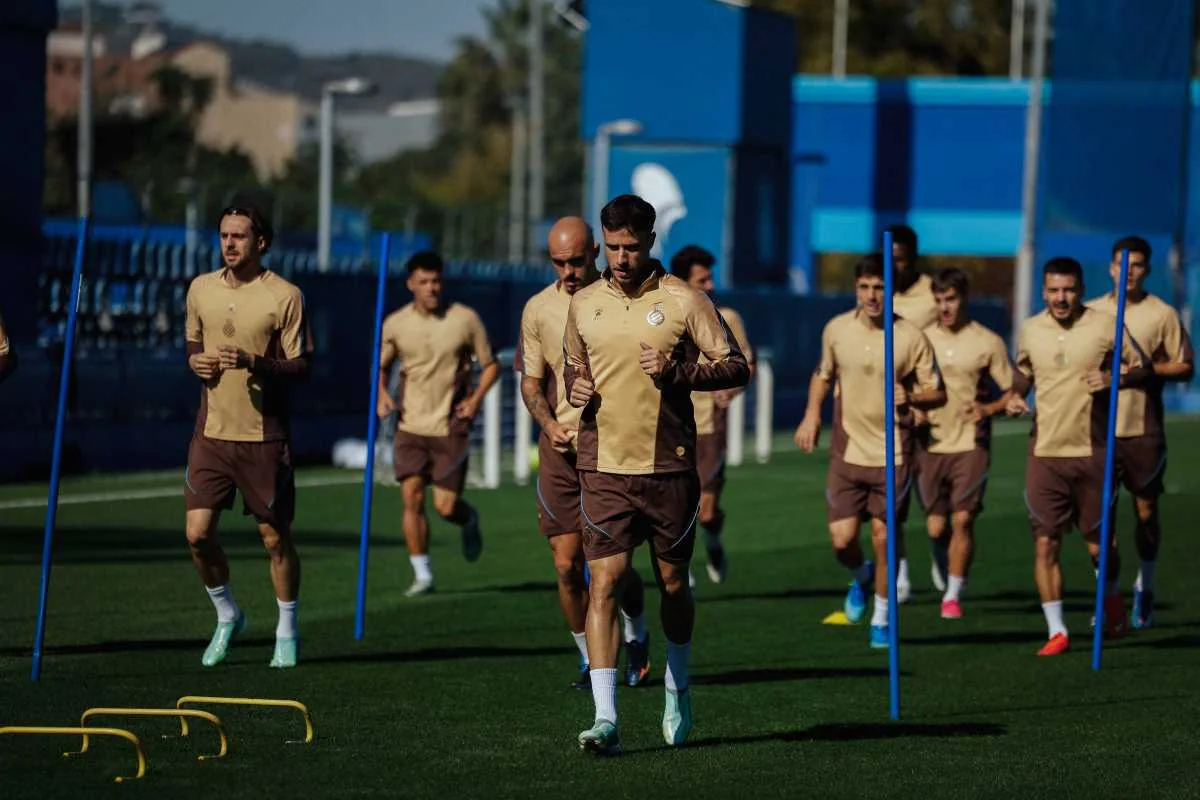
García’s pre-match comments acknowledge the limited preparation time. He stressed togetherness and confidence in the players against a strong opponent. Those remarks fit an immediate task: organise a competitive performance with a group which has just experienced a cup defeat and a managerial departure.
The short preparation window matters when judging what happens. A temporary coach may prioritise a small number of clear instructions over a broad tactical reconstruction. That can be a rational response to the time available, rather than proof that the club has no plan. The players still need to understand who presses, who covers, and where their next option will be when they recover the ball.
For supporters, the fair distinction is between assessing the performance and assigning long-term authorship. The match will count fully in the league regardless of who occupies the bench. Its tactical details, however, should be read with the handover in mind. A good result would be valuable immediately; a difficult result would need analysis without pretending that a newly appointed coach has already enjoyed a full preparation cycle.
Check the confirmed match schedule and the club’s next announcements for the sequence after Villarreal. The suspension information is specific to this appointment and its reporting date. It should not become a general claim about what all suspended coaches may do, or a guarantee that later match arrangements can never change.
What supporters should watch after the announcement
The next fixtures provide a clear setting for the transition. LaLiga’s official Espanyol calendar, checked on 30 October, lists the Villarreal trip that evening, Deportivo at home on 7 November and Athletic Club away on 20 November. The home and away contexts differ, as does the preparation time between them.
For local planning, those listed kickoffs are 21:00 CET at Villarreal, 16:15 CET against Deportivo and 21:00 CET at Athletic. International supporters should convert from the Spanish local time and confirm the latest listing before travelling or arranging a broadcast. A date in a news story is useful context; the current match listing is the better final check.
Judge a sequence of performances and check confirmed team news
The first sign to track is clarity. Do the players have a visible route out when pressed, and do their movements offer the ball carrier a realistic choice? The second is collective protection: when an attack ends, can Espanyol slow the opponent without depending on one defender to repair everything? The third is whether attacking positions lead to useful chances rather than possession which never reaches a threatening area.
Those observations become stronger across several games. One opponent may press high, another may defend deep, and a third may ask more questions through physical duels and set pieces. If the same relationships improve under different pressures, that is more persuasive evidence of progress than a single attractive passing sequence. Results remain essential, especially from the starting position Espanyol occupy, but they deserve to be understood alongside the performance.
Check the club’s confirmed team news before attaching importance to an absent player. Availability, suspension, fitness and a tactical decision are different explanations, and a projected lineup does not establish which applies. The results page, league table and viewing guide cover the practical information around each match.
Espanyol have made the coaching decision. What remains to be demonstrated is how the new staff turn their intentions into decisions the squad can repeat under pressure. Supporters can recognise González’s previous work, support García’s immediate task and still ask demanding questions of Sarabia’s longer project. Keeping those stages clear makes the coming performances easier to assess fairly.
Comments
Sign in with Google to comment. Keep the conversation useful and football-focused. New comments are reviewed before they appear.
Loading comments…