The simple reason: World Cup players needed mandatory rest
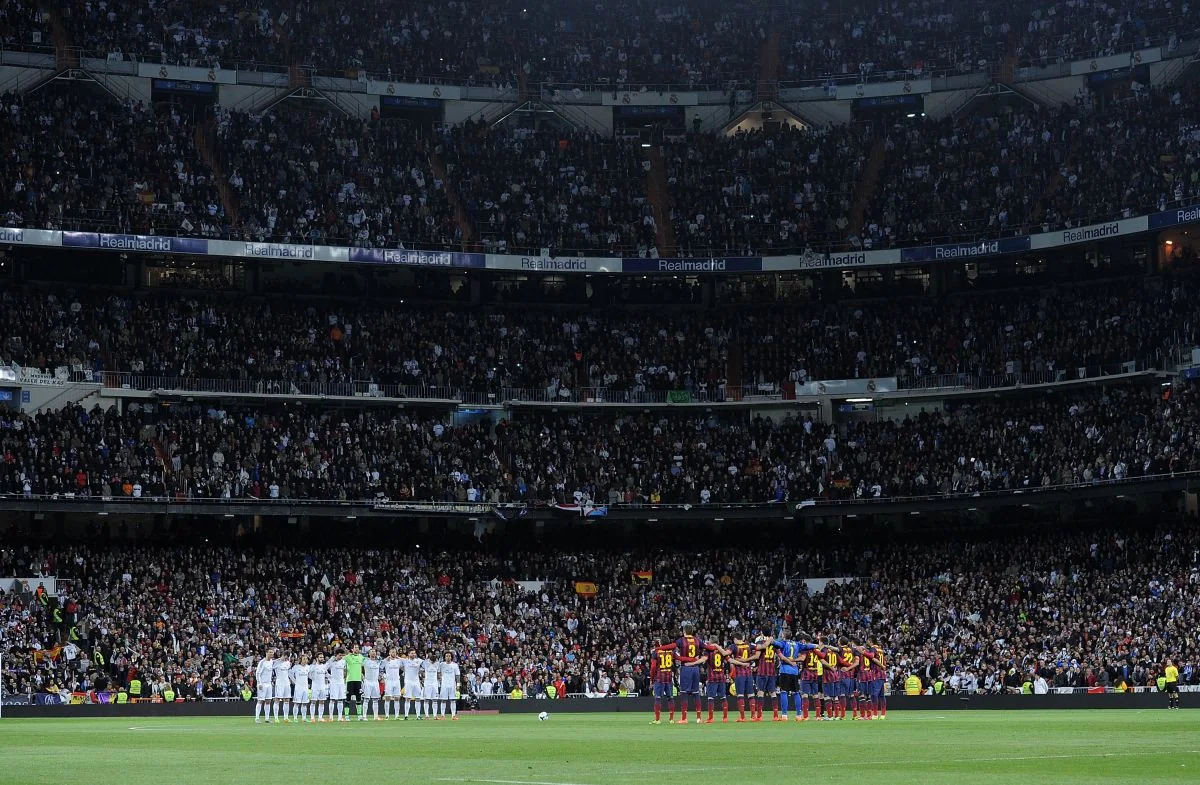
Barcelona, Real Madrid and Atlético Madrid were absent from La Liga’s August 15–17 opening weekend because their Matchday 1 fixtures were rescheduled to protect players returning from the 2026 World Cup. La Liga’s own announcement described a mandatory 21-day rest period for the affected World Cup participants. The season itself started on time; only selected matches moved.
The late finish of a summer World Cup compresses a footballer’s normal cycle. A player needs recovery after the tournament, then medical assessment and a gradual return to club training. Treating the final as the end of a holiday would ignore the accumulated match load and emotional intensity. The rest period did not guarantee that every returning international would be ready after 21 days, but it created a minimum separation before league competition.
Why the three clubs qualified for relief
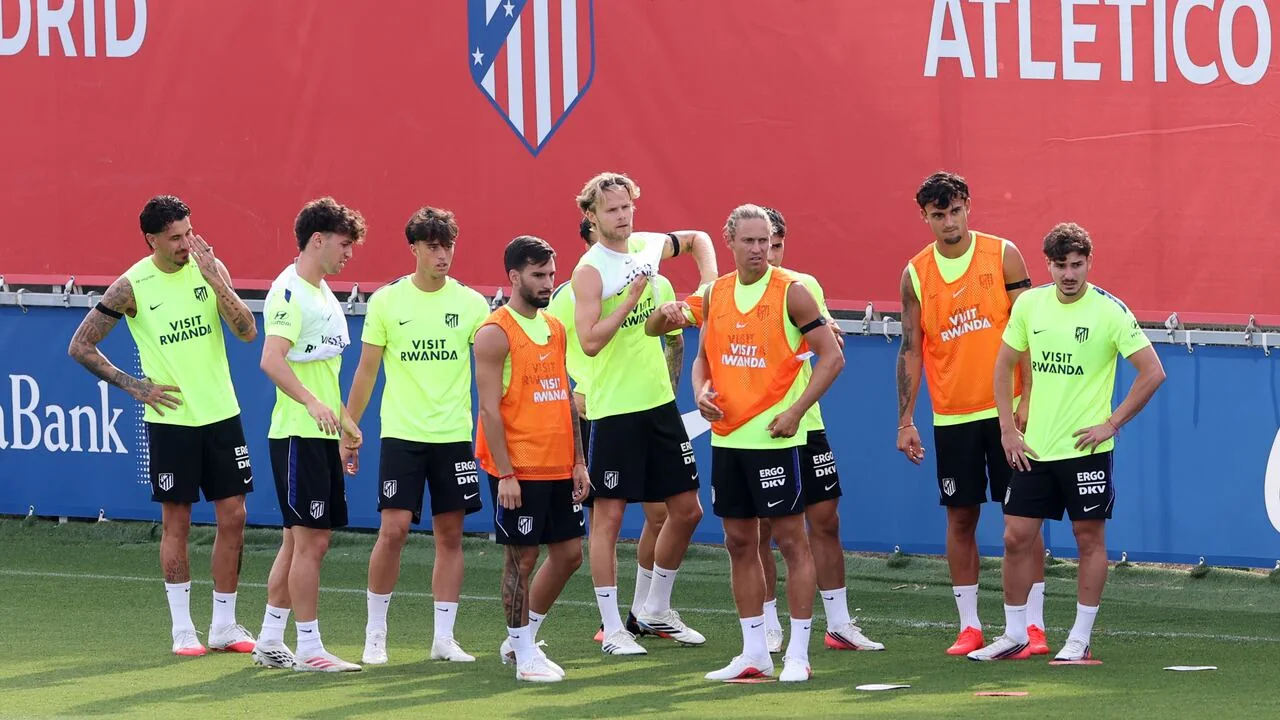
The clubs had unusually heavy representation deep in the tournament. La Liga said 24 of the 52 players in the Spain and Argentina World Cup final squads belonged to its clubs; nine represented Atlético and eight Barcelona, with additional players from Real Madrid and other Spanish sides. Spanish federation arrangements allowed teams meeting the relevant involvement threshold to postpone their opening league match.
This was not a blanket reward for being part of the “big three.” The sporting basis was the number and depth of international participants. A club whose players returned earlier had more preparation time, while a squad supplying many semifinalists and finalists faced a genuine conflict between player rest and the domestic start.
The distinction matters because headlines often said the clubs “started the season late.” More precisely, they missed the common opening weekend and began with a later scheduled round before completing their displaced opener. The daily schedule is therefore a safer guide than assuming every club plays Matchday 1 first.
From a welfare perspective, the decision acknowledged that elite players cannot move directly from a global final into a full club preseason. From a competition perspective, it created asymmetry. Both truths can coexist: the rest was justified by an exceptional calendar, while the consequences for opponents, broadcasters and the early table still deserve scrutiny.
The staggered opening timeline
The confusing part was not the reason but the numbering. The competition opened on Saturday, August 15, yet Barcelona and Real Madrid first appeared in Matchday 2 before playing their Matchday 1 fixtures. In a fixture list or television graphic, “MD1” described the round to which a game belonged, not necessarily the date on which it was played.
What happened on the official opening weekend
Alavés–Getafe and Sevilla–Rayo Vallecano opened the league on August 15. Racing–Villarreal followed on August 16, with Espanyol–Levante and Deportivo–Elche completing the reduced opening programme around August 16–17. Those fixtures still counted normally. The points were real; the table was merely incomplete because several teams had a game in hand.
That produced an unusual launch. The defending title contenders did not supply the first headline match, while promoted clubs and teams outside the usual global spotlight had a clearer stage. For domestic supporters it was still opening weekend. For many international viewers accustomed to building the launch around Madrid and Barcelona, the league felt as if it had not fully begun.
Matchday 2 became the practical debut
Real Madrid’s first match was away to Espanyol on Saturday, August 22. Barcelona began at Elche on Sunday, August 23. La Liga’s U.S. announcement promoted both matches on ABC at 3:30 p.m. ET, showing how broadcasters treated that weekend as the marquee return even though the competition had started seven days earlier. Atlético’s scheduled meeting with Villarreal also formed part of that first big-three weekend.
Beginning away before a postponed home opener changes preparation. Coaches cannot use the usual progression from final friendly to a ceremonially charged Matchday 1. Returning internationals have fewer collective sessions, and the opponent has already experienced competitive pace. The extra rest helps physically but does not create a normal preseason.
The postponed Matchday 1 fixtures
Real Madrid’s home game against Real Sociedad moved to Wednesday, August 26; Barcelona’s home meeting with Athletic Club moved to Thursday, August 27. Those dates meant each club could play its nominal second round and then recover its first-round fixture in midweek. Supporters who sorted schedules only by round number could easily reverse the order.
The practical rule is simple: use the actual date column on the full La Liga schedule, then note the matchday label for competition context. A postponed opener does not become Matchday 2 merely because it occurs later. It remains part of Matchday 1 for record-keeping, suspensions and the season’s round structure.
Why La Liga did not delay the whole season
Moving the entire league back would have protected uniformity on opening weekend, but it would have transferred the congestion to everyone. Twenty clubs must complete 38 league matches around Copa del Rey rounds, UEFA club competitions, international windows and the final-season run-in. Once a weekend disappears, finding twenty replacement fixture slots is harder than relocating a smaller number of games.
Protecting the calendar
The staggered start preserved the competition’s planned launch and broadcast inventory while creating a compact recovery window for the most affected teams. Madrid and Barcelona could play their displaced openers in the following midweek rather than searching for dates months later. That reduced the risk of a postponed game colliding with knockout football or an already congested winter.
It also limited the number of downstream changes. If all ten opening games had moved, each stadium, broadcaster and local authority would need a new plan, and the league would still require a full round later. By relocating only the eligible fixtures, organisers contained the disruption. The approach was untidy on screen, but operationally smaller than shifting the starting line for every club.
Calendar management is an exercise in competing harms. Starting everyone later shortens the season or crowds another period. Starting every club on August 15 compromises rest for World Cup finalists. Postponing selected fixtures creates games in hand and unequal preparation. There was no option that preserved rest, symmetry and every existing date simultaneously.
Keeping most clubs playing
Most teams had completed more normal preseasons and were ready to begin. Delaying them would have extended training without competition, altered stadium and staffing plans and moved matches for supporters who had already arranged travel. Playing the unaffected fixtures respected those preparations and allowed promoted clubs to begin their campaigns on the published weekend.
The cost was presentational. A reduced slate looks less like a grand opening, and an incomplete table needs explanation. Yet that is usually preferable to inserting a whole extra matchday later. The broader season framework is explained in the 2026/27 schedule guide; this exceptional start is best understood as a targeted modification inside that calendar.
Was the arrangement competitively fair?
Fairness depends on the baseline. If the baseline is identical preparation and round order for all twenty clubs, the arrangement was unequal. If the baseline is avoiding a penalty for clubs whose players fulfilled international obligations deep into the World Cup, the additional rest was defensible. Scheduling cannot make both baselines identical after an exceptional summer.
Benefits for the World Cup-heavy squads
The delayed opener gave returning players a minimum recovery period and clubs time for medical testing, conditioning and a few tactical sessions. That protects more than the stars. Without relief, coaches might field underprepared internationals, overload the teammates covering for them, or begin the league with a heavily improvised XI. A short recovery window can reduce pressure to rush a player simply because the fixture list demands it.
The benefit should not be overstated. Twenty-one days includes rest and the beginning of reconditioning; it is not a full preseason. Players reaching a final have trained and competed while teammates at club level followed a different programme. Reintegrating them involves physical and tactical compromises that do not vanish when a match moves by one week.
There is also a competitive case for protecting recovery. A league that markets its best football has an interest in players returning safely enough to perform, rather than appearing exhausted in August and carrying overload into autumn. That interest applies beyond three clubs. The reason these fixtures moved was the concentrated number of late-tournament participants, not a belief that only famous players need rest.
Costs for opponents and the early table
Espanyol, Elche, Villarreal, Real Sociedad and Athletic had to plan around altered opponents or dates. A midweek rescheduling affects recovery before the next match, supporter travel, policing and broadcast routines. Facing an elite club one week later can mean that more of its internationals are available; alternatively, that club may still lack rhythm. The sporting effect cannot be assumed in advance.
The league table also needed careful reading. A club on three points after one match could sit below a club on four after two; goal difference comparisons were provisional until games played aligned. Games in hand are not points in hand. The fairest analysis compares points per match temporarily and waits until displaced fixtures are completed before making strong title or relegation claims.
Overall, the measure was a compromise grounded in player welfare but carrying real external costs. Transparent eligibility criteria and early date confirmation are what make such an exception legitimate. Fans do not have to like the disruption to recognise the reason for it.
What supporters should learn from the unusual start
The unusual launch offers a useful lesson for the entire season: a fixture list contains several kinds of information. The opponent and home team define the pairing; the matchday number defines its place in the league round; the calendar date tells fans when it is currently due to happen; the kickoff time and broadcaster may be confirmed on a different timetable. Treating those fields as interchangeable creates avoidable confusion.
Read fixture numbers and dates separately
Start with the current date, not a screenshot of the original draw. Confirm the home and away teams, venue, local Spanish time and time-zone conversion. Then check whether the status is scheduled, postponed or completed. Finally use the viewing guide and the rights holder’s listings for your country. A match labelled Matchday 1 can legitimately appear after Matchday 2 if its date changed.
Travelling fans need an additional safeguard. Transport and accommodation should be flexible until the precise date and kickoff are formally confirmed. The 2026 opening postponements were announced for a special reason, but ordinary changes can also follow broadcast selection, weather, policing or competition clashes. A calendar subscription is useful only if it is refreshed when updates occur.
Season-ticket holders should check club communications for the treatment of a moved game, while international viewers should recheck their local rights holder. A rescheduled match can change both the day and the television window. Saving only the original fixture-release graphic is especially risky because that image does not update when the official calendar changes.
For statistical comparisons, record games played alongside points. For player availability, remember that a later fixture date can change suspension or fitness circumstances even though the match keeps its old round number. For broadcasters, follow the updated listing rather than assuming the original opening-weekend slot survives.
So why did Barcelona, Real Madrid and Atlético start late? Their opening fixtures moved to respect the mandatory recovery period for squads heavily represented at the World Cup’s end. La Liga began without them, they entered through the next scheduled round, and the postponed openers followed. It was neither a secret penalty nor a special mini-season—just a visible consequence of an overcrowded football calendar.
Once all displaced games were completed, the conventional table again compared equal totals. The episode still matters because similar calendar pressure can return after major international tournaments. Clear status labels, promptly updated dates and an explanation of eligibility are the practical standards supporters should demand whenever a league uses a staggered start.
Comments
Sign in with Google to comment. Keep the conversation useful and football-focused. New comments are reviewed before they appear.
Loading comments…