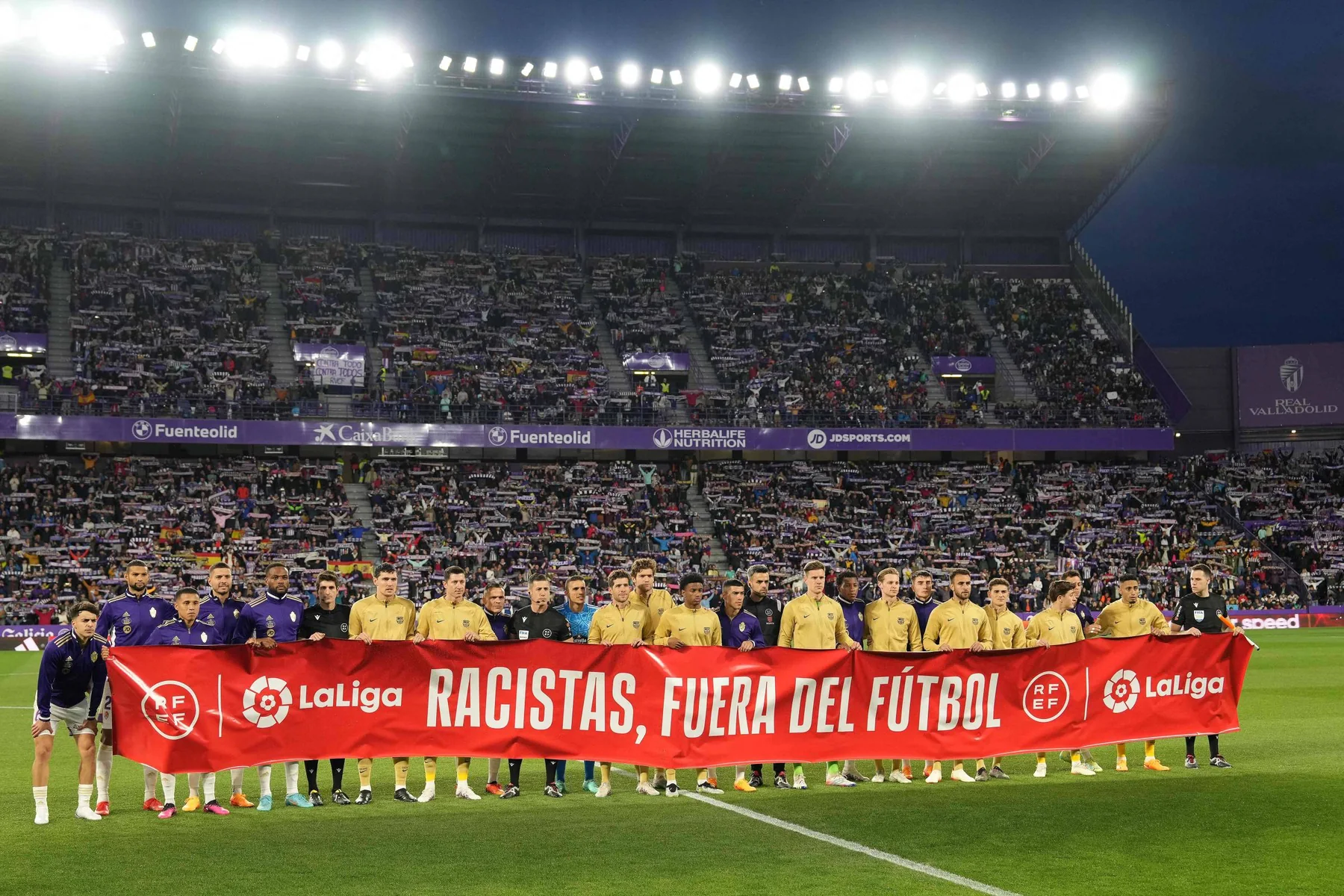
The Short Answer: A Complaint Is Evidence, Not a Fine
La Liga reports offensive or intolerant chants because it monitors professional matches and submits documented incidents to the bodies empowered to consider disciplinary or public-law consequences. The weekly notice is a dossier, not a verdict. Publication does not by itself mean a club has been fined, a stand has been closed or every supporter present has been blamed.
What La Liga submits
The league's 2026/27 notices say it sends a weekly written complaint to the RFEF Competition Committee and the State Commission against Violence, Racism, Xenophobia and Intolerance in Sport. Reports can draw on the match director, fan submissions and reviewed graphic or audiovisual material.
The submission identifies a specific match and describes what was detected. This evidential role matters: governing bodies cannot respond consistently if incidents are reduced to social-media clips without time, place or context. The same process also creates a public record of patterns across rounds.
Who decides the outcome
The RFEF disciplinary system and the Anti-Violence Commission have different legal functions. They evaluate the facts under their own rules and procedures. Authorities may seek further information, assess a club's conduct and determine whether any sanction is justified. Courts can become involved where conduct crosses into criminal law.
That separation explains why an article saying La Liga “denounced” a chant should not be read as a final punishment. Fans can confirm the underlying match on our schedule, then distinguish the league's notice from any later decision.
How Stadium Monitoring Works
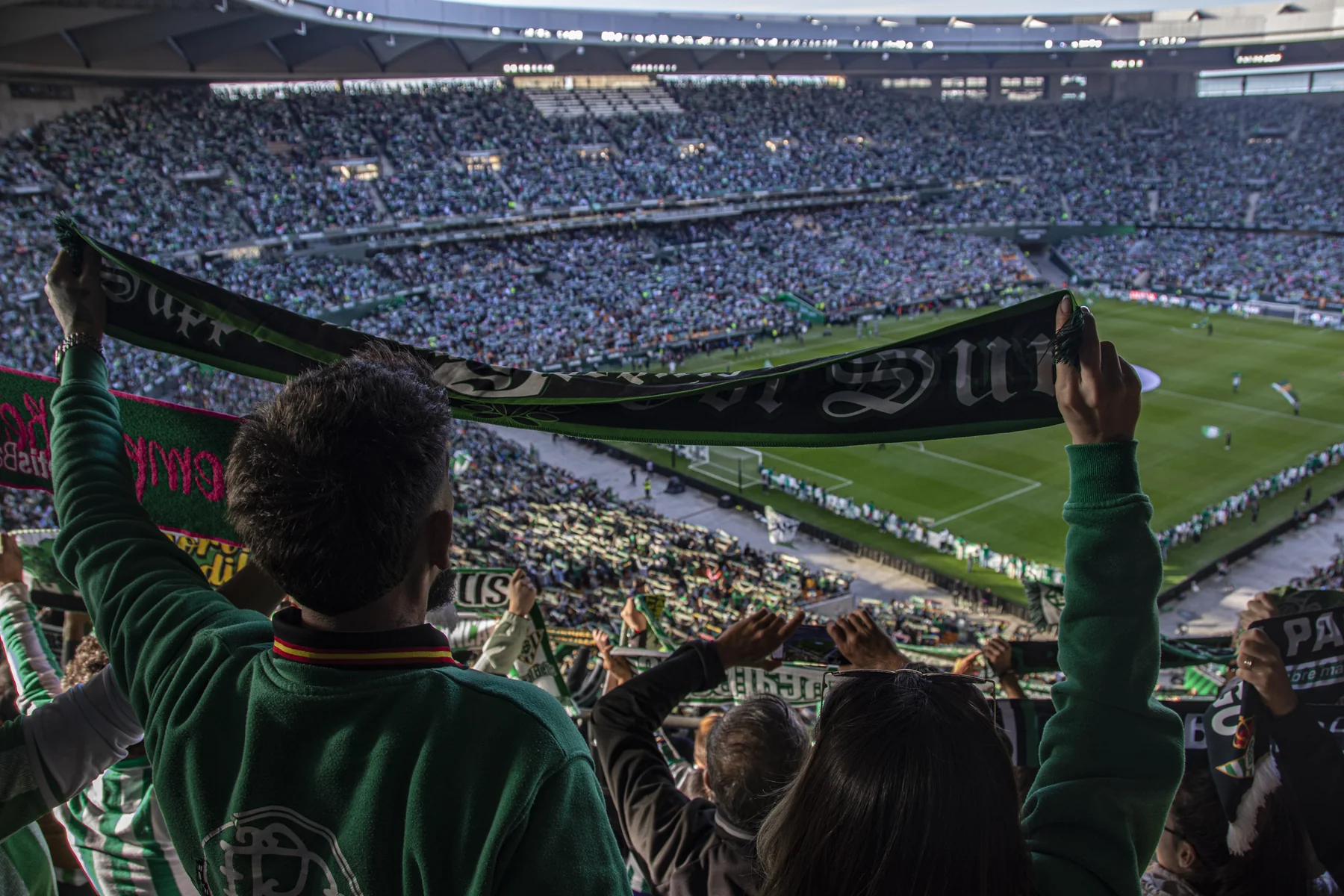
The weekly notices are unusually detailed because context determines responsibility. They do not merely say “home fans insulted an opponent.” A typical entry records the match minute, approximate duration, section numbers, whether the chant was coordinated and whom it targeted.
Identifying time, duration and location
Match directors observe the event, while video, audio and other channels can support verification. A first-round 2026/27 notice localized incidents to particular animation sections and measured several chants at roughly eight to 15 seconds. It repeatedly noted when the rest of the stadium did not participate.
That language protects accuracy. Ten seconds from a concentrated block is different from 40,000 people sustaining abuse, even though neither is excused. Location also helps a club identify individuals through ticket records and cameras rather than punish an undefined crowd. The official result remains separate from the conduct report.
Why club mitigation is recorded
Notices list preventative measures: bag and banner checks, multilingual rules, anti-racism graphics, public-address warnings, stewarding, CCTV, visiting-fan segregation and messages shown immediately after an incident. These details reveal what the organiser did before and during the match.
A club cannot guarantee that no individual will shout something prohibited. It can design reasonable prevention, react quickly and help identify offenders. Recording those efforts lets decision-makers distinguish active compliance from indifference or repeated failure. It also gives clubs a practical benchmark: prevention must operate in the stadium, not exist only in a policy document.
Which Chants Cross the Line
There is no rule that a football crowd must be polite. Rivalry, whistles and criticism are part of the match. The boundary is crossed when expression falls within disciplinary prohibitions or Spanish legislation on violence, racism, xenophobia and intolerance.
Violence, hatred and discrimination
The clearest cases threaten violence, celebrate harm or attack people because of protected characteristics. Spain's Law 19/2007 addresses public threats, insults or humiliation tied to racial, ethnic, geographic or social origin, religion, disability, age, sexual orientation, gender identity or expression and related characteristics.
Racist imitation, dehumanising language and coordinated threats are not rescued by melody or tradition. A chant can create an intimidating environment even if no physical attack follows. The purpose of intervention is prevention as well as punishment.
Insults, rivalry and context
Weekly notices also include coordinated insulting chants that may not target a protected group. Context matters: wording, target, repetition, duration, scale and connection to violence all affect assessment. The league documents the facts; competent bodies apply the relevant rule.
This is why two apparently similar crowd moments can produce different outcomes. A brief localized insult, a mass death threat and racist abuse are not interchangeable. Supporters should avoid simplistic lists of “banned words.” Meaning depends on use, but ordinary football passion does not require degrading identity or calling for harm. More matchday explainers are available through our La Liga blog.
What Sanctions Can Follow
Possible consequences sit on several tracks. A club can withdraw membership or season-ticket privileges. Sporting bodies can fine clubs or close sections. Administrative authorities can propose fines and access bans. Prosecutors and courts can act when evidence supports a criminal offence.
Individual, club and stadium consequences
Identification makes individual accountability possible. Spanish cases involving racist abuse of Vinicius Junior have produced prison sentences, fines, disqualifications and stadium bans. Those outcomes followed investigation and court process, not merely a weekly notice.
Clubs may face financial sanctions or partial stadium closures where disciplinary rules attribute responsibility or find inadequate prevention. The league itself has publicly sought broader sanctioning powers, while explaining that its established role is principally to identify and report conduct.
Why punishments vary
Decision-makers consider content, repetition, scale, identification, prior history, club prevention and response. A large coordinated discriminatory chant is not treated like one unidentified voice. Evidence quality also matters: authorities need reliable attribution and procedural fairness.
Competitive consequences should never be assumed. A complaint does not alter points on the La Liga table. Follow the later disciplinary resolution and note which body issued it. This keeps reporting accurate and avoids turning serious anti-hate work into rivalry misinformation.
What Clubs Are Expected to Do
Club responsibility begins before the turnstiles open. Risk assessment, ticket traceability, trained stewards, camera coverage, banner checks and clear rules make later intervention more effective. Prevention also includes education: supporters should know that discriminatory abuse can lead to removal and legal consequences.
Prevention before kickoff
La Liga notices document multilingual signage, screen graphics, public-address messages and separated supporter zones. Clubs can work with supporter liaison officers and fan groups to prevent a small animation block from setting the tone. They should staff identified risk areas without treating every member as an offender.
The clubs index helps fans find official team channels, but stadium rules for the specific host control entry. Supporters should read them before bringing flags or banners.
Intervention and evidence after an incident
For racist incidents, the referee can activate an escalating protocol after personal observation or information from a player or security coordinator. The response can progress from stopping play and making an announcement to temporary suspension and, in severe or repeated circumstances, abandonment.
The club should preserve footage, identify the sector, support affected people and cooperate with authorities. Immediate screen messages show rejection but do not replace identification. Afterward, precise evidence and fair process are essential; broad public apologies without individual follow-through will not deter repeat conduct.
What Supporters Should Know on Matchday
Supporters are not expected to investigate an incident or confront a group by themselves. Their useful role is to notice, report and preserve enough detail for trained stadium personnel and the competent authorities to act. A quick, accurate report is more valuable than a viral clip with no identifiable time, block or context.
Reporting abuse safely
If a chant or gesture appears threatening, racist or otherwise discriminatory, personal safety comes first. Do not enter a hostile group to film faces or begin an argument. Tell the nearest steward, security officer or supporter liaison representative. Give the match minute, stand, block, row and direction of the sound if those details are known. A description of clothing or a seat number can help, but supporters should not publish an unverified identity online.
La Liga has promoted a dedicated Stop Racism communications channel, and its weekly notices explain that the LALIGAVS system can incorporate reports, suggestions and requests from people who attended matches. Club customer-service and integrity contacts may also be appropriate. Use the channel that can act fastest during the game, then submit supporting information afterward if requested. Keep the original photo or video rather than editing it, because timestamps and surrounding footage may assist verification.
An immediate report can reach the match operation while the conduct is continuing. Under the racist-incident protocol, information may be passed to the referee through a player or the stadium security coordinator. That does not mean every report automatically stops a match. Officials must assess what happened, locate it and apply the procedure proportionately. It does mean a witness can contribute to a response without becoming the enforcer.
After reporting, write down what was heard or seen while memory is fresh. Separate direct observation from assumption: “I heard this from Block 112 for about 15 seconds” is stronger than claiming that an entire stadium participated. If another person was targeted, ask what support they want rather than forcing them into a public complaint. Children and vulnerable supporters may need help reaching a safer area.
There is also a difference between reporting an event and deciding its legal category. A witness can reproduce the relevant meaning privately for investigators without labelling an unknown person a criminal. Give source files directly to the club, league, police or federation contact when appropriate; reposting abusive footage can amplify the harm and complicate identification. Retain any acknowledgement or reference number so that a follow-up can be connected to the original submission.
When an incident occurs online rather than inside the ground, preserve the account name, page address and timestamp before blocking the account. Stadium staff may not control a social platform, but the club or competition organiser can direct the evidence to the correct channel. For an immediate threat, contact local emergency services. The weekly league complaint process is not a replacement for urgent police assistance.
Supporting loudly without creating risk
The anti-abuse framework does not require silent stands. Supporters can sing for their club, whistle an opponent, celebrate, display permitted flags and sustain intense rivalry. The practical line is to direct passion toward football rather than protected identity, dehumanisation, threats or celebration of injury and death.
Fans travelling away should check the host club's stadium code before departure. Rules can differ on banner dimensions, poles, megaphones, alcohol, face coverings and the route into the visiting section. Never assume that a chant used for years is acceptable merely because it is traditional. Groups can replace problematic lyrics in advance, brief song leaders and stop a chant when stewards or the public-address system warns that it breaches the rules.
Collective self-regulation is especially effective. One supporter refusing to join may feel insignificant, but organised fan groups can make clear that discriminatory or violent language is not part of their identity. A nearby fan can redirect the song, alert a steward or support the person targeted without escalating the confrontation. Clubs, meanwhile, should avoid describing every away supporter or animation-section member as responsible when evidence points to a smaller group.
Precision protects innocent supporters as well as victims. Official notices often identify a limited sector and explicitly record that other spectators did not participate. Fans can reinforce that distinction by resisting collective blame and by helping clubs establish where a chant began. Responsible evidence makes targeted removal or individual sanctions more achievable and reduces pressure for broad restrictions on an entire stand.
Supporter groups can prepare before matchday, too. They can publish acceptable song sheets, name a liaison contact, remind members that ticket holders may be identifiable and agree how leaders will react to a warning. These steps do not drain rivalry of emotion. They help the group retain control of its own culture instead of allowing a few voices to create consequences for everyone.
For planning, use the current La Liga schedule and then confirm the host's official matchday guidance. The central lesson is straightforward: reporting creates an evidential route; it is not instant punishment. Loud support and safe stadiums are compatible when fans, clubs and officials respond quickly, identify conduct precisely and leave final sanctions to the bodies that have authority to impose them.
Comments
Sign in with Google to comment. Keep the conversation useful and football-focused. New comments are reviewed before they appear.
Loading comments…