The Short Answer on Away Ticket Prices
The useful answer is simple but conditional: an official ticket inside a participating club's Grada Visitante allocation should cost no more than €30 under the reciprocal agreement. That does not mean every away ticket in La Liga costs €30. The arrangement is voluntary, applies to designated allocations and depends on both the participating clubs and the terms announced for an individual match.
What the Grada Visitante cap covers
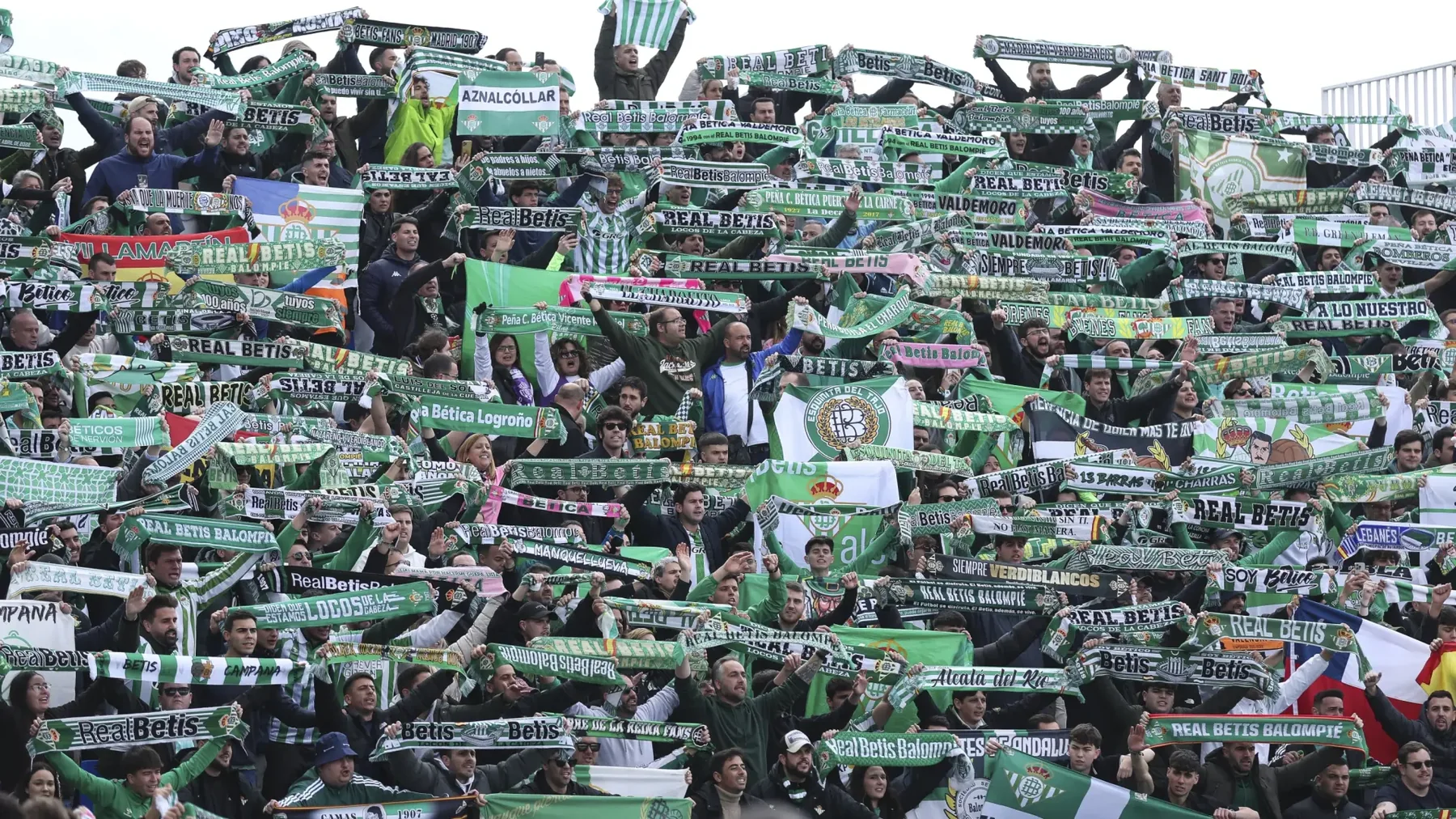
Grada Visitante was designed for genuine travelling support. A home club sets aside a defined block for the visiting club, and the visiting club distributes those seats through its normal member, season-ticket holder or supporters' group channels. The price ceiling applies to that official block, not to a random seat sold on the host club's general-sale map.
This matters because a search for “away ticket” often returns hospitality packages, home-section tickets and resale listings. Those products can be legitimate in their own categories, but they are not evidence that the Grada Visitante cap has failed. A €90 listing may be a home-end general-sale seat; a €200 offer may combine a ticket with hospitality; a reseller's price includes its own margin and risk. Compare like with like.
Why not every away seat costs the same
La Liga has not imposed one mandatory league-wide price on all 20 clubs. Reporting available in September 2026 describes 16 participants for 2026/27, leaving fixtures involving non-participants outside the reciprocal promise. Even within the scheme, supply is limited. Once the official visiting allocation is exhausted, the €30 ceiling does not compel the home club to create unlimited extra seats.
Tournament also matters. A La Liga agreement does not automatically govern Copa del Rey, UEFA or friendly tickets. High-risk matches can carry additional controls, and clubs may use special allocation procedures. Before treating any price as confirmed, match it to the correct competition, stadium and selling club, then verify the fixture on our La Liga schedule.

How Grada Visitante Works in 2026/27
The agreement works through reciprocity rather than a government rule or universal league regulation. Participating clubs promise an affordable designated allocation to one another. For 2026/27, published market research identifies 16 of the 20 top-flight clubs as participants and lists Real Madrid, Villarreal, Rayo Vallecano and Espanyol outside the arrangement. Because participation can change, fans should treat that as a September 2026 snapshot and verify the individual on-sale notice.
Participating clubs and reciprocal allocations
On that basis, the covered group consists of the other 16 members of the 2026/27 division: Alavés, Athletic Club, Atlético Madrid, Barcelona, Celta Vigo, Deportivo La Coruña, Elche, Getafe, Girona, Levante, Málaga, Osasuna, Racing Santander, Real Betis, Real Sociedad, Sevilla and Valencia. The list should not be used as a guarantee that any named supporter can buy; it identifies the clubs participating in the pricing framework.
Allocations still differ by stadium and match. Betis, for example, announced 508 visiting tickets at €30 for its trip to Valencia in August 2026. Other trips produced different numbers because the host stadium, security plan and reciprocal quota differed. The previous official model moved from a flat minimum toward a percentage linked to capacity, aiming to make larger venues provide more seats.
Match exclusions and allocation limits
The cap covers the seats assigned under the agreement. It does not cover executive boxes, hospitality, sponsor exchanges or unrestricted general sale. The league has separately described “exchange tickets” for institutional obligations; those are not a second public allocation. Nor does the scheme create a right to sit anywhere in the ground for €30.
Demand can greatly exceed supply. In the first completed season of the initiative, La Liga reported close to 60,000 purchases and a 95.6% take-up across the offered inventory. Popular derbies and trips involving clubs with large memberships may be allocated by loyalty points, seniority or ballots. Supporters should browse the La Liga teams index, open their club's official site and read the match-specific terms rather than relying on a generic league list.
How to Buy an Official Away Ticket
The safest rule is to buy an away-section ticket from the visiting club, not the home club. Host clubs normally transfer the designated allocation, then the visitor decides who qualifies and how scarce seats are shared. That route keeps supporters together, applies the official price and connects each ticket to the security information for the away entrance.
Start with the visiting club
Find the visiting club's official ticket or member-services page and look for “entradas visitantes,” “desplazamiento” or the opponent's name. The on-sale post may appear only days or a few weeks before the match. It should state the allocation, price, applicant categories, deadline, result date, payment method and delivery or collection instructions.
Betis provides a useful 2026/27 example. Its standing policy divides away supply 80% to members and 20% to recognised supporters' clubs. Within the member share, season-ticket holders receive portions by seniority and ballot, while the Soy Bético group can receive priority based on geographic proximity. That is one club's system, not a league template; Athletic, Barcelona or Valencia may use different priority rules.
Membership, identity and collection rules
Official away tickets are frequently personal and non-transferable. An applicant may need a member number, passport or national ID, and the name entered must match the person attending. Some clubs deliver mobile tickets; others disclose collection after allocation and may require pickup in Spain. Never assume a screenshot can be forwarded to a different traveller.
For Deportivo-Betis in September 2026, Betis offered 860 €30 seats, accepted applications from 7 to 10 September, notified applicants on 11 September and required successful applicants to confirm. Unsuccessful applicants received refunds. That shows why “sold out” may be followed by a second allocation round when winners decline or miss confirmation.
A safe purchase timeline
First, confirm the fixture and note whether kickoff is final. Second, log into the visiting club account before sales open and update identity details. Third, read eligibility rules before committing to non-refundable travel. Fourth, apply within the stated window; a ballot is not first-come-first-served unless the notice says so. Fifth, monitor email, app notifications and spam folders for the result and acceptance deadline. Finally, carry the same ID used in the application and follow the club's meeting-point or entry instructions.
Do not send money to a social-media account claiming access to a supporters' club quota. Genuine peña allocations pass through recognised organisations and named beneficiaries. The cheap ticket is valuable precisely because access is controlled.
What International Fans Often Get Wrong
International visitors often approach a La Liga away day as if it were a concert: choose a date, buy any available seat, then wear the travelling club's colours. Football ticketing is more complicated because allocation, identity and supporter segregation can affect whether a formally valid ticket is usable in practice.
Home-end tickets are not away tickets
A home club's public sale may show seats after the away allocation is gone. Buying one does not turn it into an away ticket. Stadium conditions can prohibit visible support for the visiting team in home sections, particularly at high-risk matches. Barcelona's published rules, for example, allow security staff to remove or relocate visiting supporters found in home areas even when they hold a ticket.
Enforcement and atmosphere vary across Spain, but a traveller should not build an expensive trip around informal claims that “nobody checks.” If you choose a neutral home section, read the host's rules, avoid ultras or active-support blocks and understand that away colours, flags or celebrations may create a safety problem. The only reliable way to join the organised visiting end is through the visiting club's allocation.
Membership is another barrier. Atlético's 2026/27 away service is explicitly a member benefit, with oversubscribed requests allocated by seniority. Joining shortly before a major away match may not overcome long-standing priority. Tourists should determine eligibility before buying flights, not after the capped seats appear.
Kickoff confirmation can change the trip
The fixture calendar initially assigns a match to a weekend round, but the exact day and time may be selected later for broadcasting, rest and policing. A game shown on Sunday in a travel planner can ultimately fall on Friday, Saturday or Monday. Supporter discussions repeatedly describe waiting until a few weeks before the match for final confirmation.
Use flexible fares and refundable accommodation when booking before confirmation. Do not schedule the last flight home immediately after a provisional Sunday slot. Our La Liga schedule is useful for monitoring the confirmed kickoff, but the club's match notice remains essential for gate and collection details.
When the Capped Allocation Sells Out
An unsuccessful ballot is disappointing, but it should not turn urgency into carelessness. Spain's personalised-ticket system was introduced to improve traceability, especially around visiting sections. Names, ID details and distribution channels can therefore matter at the turnstile. A cheap screenshot from a stranger may be worthless even if the QR code looks authentic.
Official alternatives before resale
Watch for returned tickets and second-round allocations. Successful applicants sometimes fail to confirm, and clubs recycle those seats. Ask the visiting club whether an authorised travel partner or recognised supporters' group has availability. If your priority is attending rather than sitting with the away support, check the host's official general sale or hospitality—but only after reading its rules for visiting fans.
Changing to another fixture is often the best-value option. A less prominent away trip may have lower demand, more generous eligibility and cheaper transport. Our La Liga fan guides can help compare stadium and planning topics, while the season schedule shows nearby alternatives.
How to evaluate a secondary listing
First ask whether resale is authorised by the issuing club. If the club offers an official exchange, use it. Then establish whether the ticket can legally be transferred and renamed, which section it occupies, whether ID matching is required and exactly when the barcode will be delivered. A platform guarantee may promise a refund after failure; it cannot guarantee entry or compensate for an entire wasted trip.
Avoid sellers who refuse to identify the block, advertise an away end without membership, request bank transfer or cryptocurrency, or promise to send a season-ticket credential shortly before kickoff. Betis's terms allow tickets linked to illegal resale to be cancelled without compensation, and Real Madrid's guidance warns visiting fans that unofficial purchases can be rejected. The risk is not merely paying above €30; it is arriving at the gate with no enforceable access.
Budgeting for a La Liga Away Day
A €30 ticket can make an away day possible, but it does not make the journey cheap. Transport, accommodation, local transit, food, baggage and schedule changes often cost much more than admission. Fans travelling from an island club or across Spain face a very different budget from supporters taking a regional train.
The ticket is only one line of the budget
Price the trip in layers. Start with refundable transport until kickoff is confirmed. Add one extra night if a late finish makes the final train unrealistic. Check airport-to-city and city-to-stadium transit, not just the headline airfare. Budget for ticket-collection travel if pickup is not at the gate. Keep an emergency reserve for a changed train or taxi after a late match.
Security procedures also consume time. Real Madrid's visiting-supporter guidance recommends reaching the stadium area at least two hours before kickoff and says away fans may be held for roughly 20 minutes after the match depending on circumstances. A tight rail connection that ignores those windows is not truly cheaper.
A practical checklist before paying
- Confirm the competition, opponent, stadium and final kickoff.
- Verify that the offer is the official visiting allocation and note its face value.
- Check membership eligibility, ballot method and confirmation deadline.
- Enter every traveller's legal name exactly as shown on ID.
- Read transfer, refund, bag, flag, accessibility and collection rules.
- Use flexible transport when the match time remains provisional.
- Save the club confirmation offline and carry the required passport or ID.
- Identify the away entrance and supporter liaison contact before travelling.
If the away allocation is unavailable, compare the full cost of another match rather than paying a huge premium out of frustration. Watching legally may be the sensible fallback for one trip; our worldwide La Liga viewing guide explains official options. Grada Visitante makes many journeys more affordable, but the best away day still begins with the correct channel, realistic eligibility and a plan that survives a changed kickoff.
Comments
Sign in with Google to comment. Keep the conversation useful and football-focused. New comments are reviewed before they appear.
Loading comments…